

The Floorsave Wood and Laminate Flooring Blog | Floorsave

-
22 AugRead more »

A GREAT British Institution Facing Exile!
Tradition states that builder's tea is the stuff the Empire was built on. It fuels our plumbers, electricians, carpenters, tradesmen and, yes, builders. Here at FloorSave we couldn't agree more!
-
20 AugRead more »
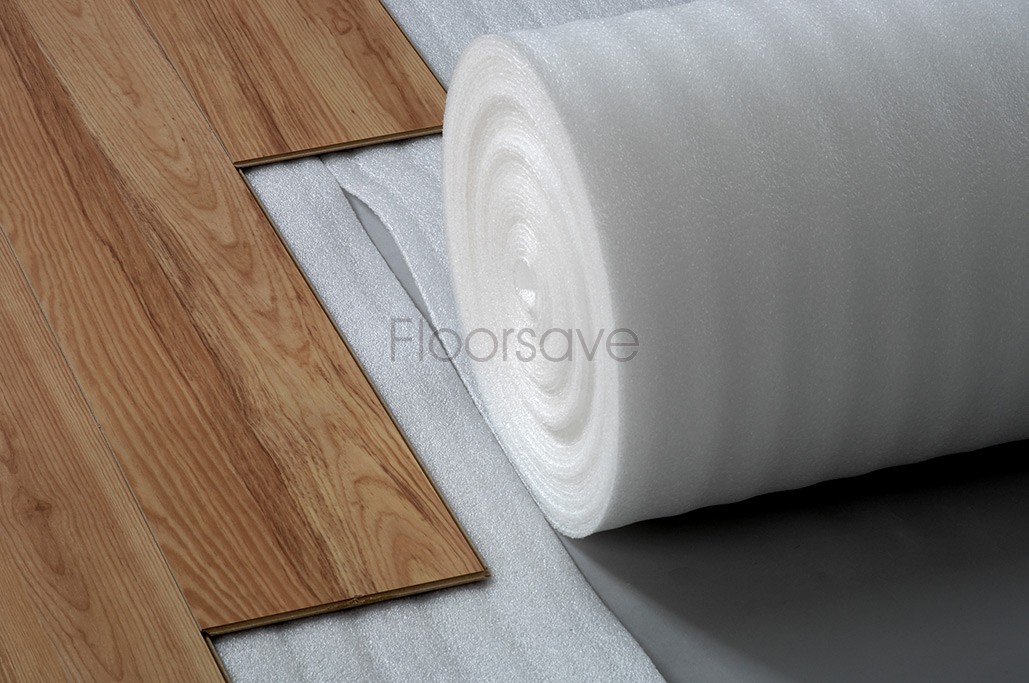
Polyfoam underlay is an environmentally friendly product made of polyethylene and is ideal for those who want to install a floating floor (laminate or engineered wood flooring) over any type of subfloor that is relatively even, dry and firm. More specifically, such sub-floors can be existing floorboards, plywood, hardboard and chipboard.
-
14 AugRead more »
When you are installing a new laminate or engineered wood flooring with the floating method, an underlayment is essential for many reasons:
- To allow your floor to (float) expand and contract, without damaging the underside of the flooring boards caused from friction.
- To even out minor imperfections in the sub-floor
- To soften the feel when walking on the floor
- To reduce the noise created when walking on the floor
- To protect your floor against moisture vapour
-
13 AugRead more »

Whether you've just bought your first home, are upsizing/downsizing or updating a tired "look", decorating your home can be a daunting task. Don't make the mistake of so many other people by rushing into things. Having a detailed checklist and order of projects will help prevent the disaster of having to redo things. Putting carpet down, for instance, and then having to take it up again to fit a stud wall is one example. Of course, there are always some hiccups along the way, but with this handy checklist, you should be able to minimise extra costs or unexpected setbacks.
-
12 Aug
In today's blog post, I would like to discuss with you what radiator pipe covers are, what their purpose is and how they can be fitted around your radiator pipes.
In general, when you are installing a new wood or laminate floor, it is extremely important to leave an expansion gap around the perimeter of the walls and against any other fixed objects, such as thresholds, columns and pipes.
Read more »